
Chocolate Leaves
July 26, 2017
Chocolate leaves
Make some stunning chocolate leaves as a novel and delicious way to learn about the changing states of matter.
Suitable for kids aged 5+ with parental supervisionCAUTIONThis science activity involves the use of boiling water. Hot water must only be handled by an adult.
You Need:
- Metal or heat resistant bowl
- Saucepan
- Wooden spoon or similar
- Chocolate
- Large non-poisonous leaves (rose, ivy, mample or lemon leaves work well)
- Boiling water
- Clean paintbrush
What to do:
- Wash the leaves and dry them gently, careful not to damage or bruise them.
- Have an adult pour some boiling water into the saucepan.
- Ask an adult to carefully place the bowl inside the pan (be sure not to get any hot water in the bowl).
- Break the chocolate into the bowl. How does the chocolate behave in the heated bowl? Stir the chocolate and watch it melt and change from a solid state to a thick (or viscous) liquid.
- Have an adult remove the bowl of chocolate from the hot saucepan and place it on the table or bench.
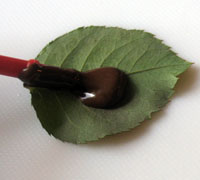
- Use the paintbrush to paint a layer of chocolate on the underside (the veiny side) of the leaves. Allow to cool (chocolate side up) and set. You may want to speed up this process in the fridge. Carefully peel away the real leaves to reveal your gorgeous new solid chocolate leaves.
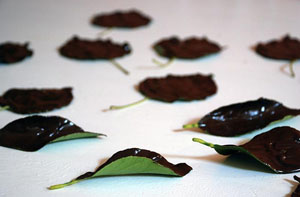
Why is it so?
This is an interesting and unique approach to teaching about the changing states of matter. Instead of using water as the model, you use the very engaging (and yummy) chocolate. Students will watch solid chocolate change to a liquid with the application of heat. They will then see the chocolate change back into the solid state when it cools down. Use this activity as a springboard to talk about the molecular arrangement of solids, liquids and gases and how temperature changes affect the molecule movements.
Recent Posts


Showcased Product
Snap Circuit My Home
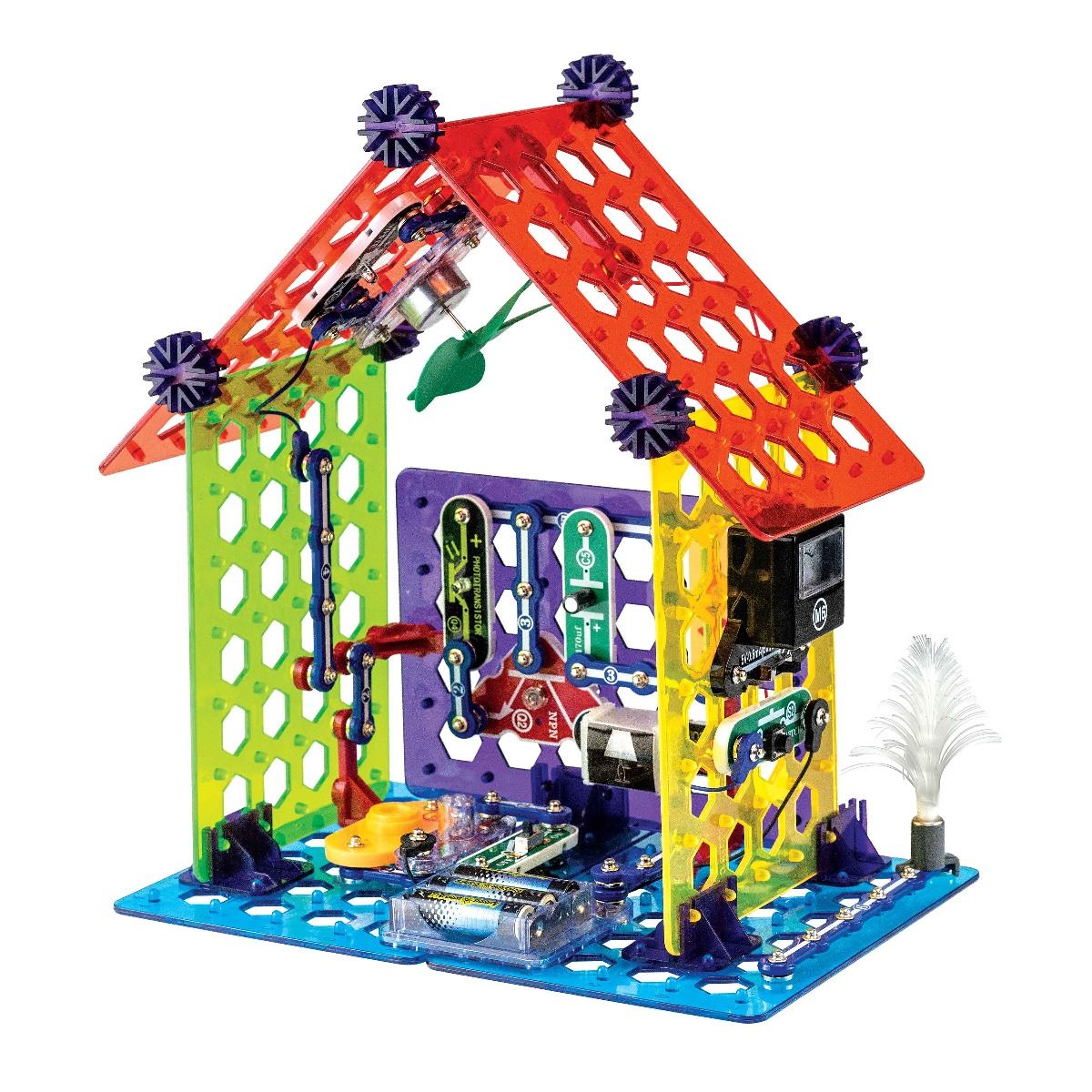
Learn about circuitry, security systems, dimmer switches, automatic lights, alarms, motion detectors, fan speeds, appliance motors, generators, and much more!