
Yeast Balloon
July 26, 2017
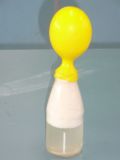
Blow up a balloon with a chemical reaction
Have some yeast friends blow-up a balloon for you!
Suitable for kids aged 5+ with parental supervision
You Need:
- 1 packet of dry yeast
- 1 cup of warm water (almost hot)
- tablespoon of sugar
- 1 balloon
- A small empty juice or water bottle
What to do:
- Mix the yeast, sugar and warm water together by stirring gently.
- Once the sugar has dissolved (after a minute or so) pour the mixture into the bottle. You may notice the mixture may have already started to bubble as the yeast produce carbon dioxide.
- Stretch the mouth of the balloon over the bottle opening and set aside.
- After five minutes or so you should notice even more bubbles in the mixture as the yeast continue to produce carbon dioxide.
- After about another five minutes you should see the balloon begin to inflate as it fills with gas. Eventually it will delight by standing upright.
- The quantities of yeast, sugar and water you need will vary depending on the size of the bottle used.
Why is it so?
Yeast is a type of fungi that is commonly used in making bread. As the yeast feeds on sugars in the flour it expels carbon dioxide gas making the bread dough rise. Once the bread has baked, this is also what gives the loaf its airy texture. There are about 160 known species of yeast but Saccharomyces cerevisiae (or bakers yeast) is the one most often used in bread making. Yeast is teeny tiny: about 25 billion cells fit in just one gram! In this experiment the yeast uses its own enzyme to breakdown the granulated sugar added to the water, into a more simple sugar it can consume. Just like in bread making, as it feeds on the sugar it produces carbon dioxide gas. With no place to go except upwards, the gas slowly starts to fill the balloon. Try feeding your yeast at different water temperatures. Use a thermometer to measure the water temperature. At which temperature is the most gas produced?
Recent Posts




Showcased Product
Snap Circuit My Home
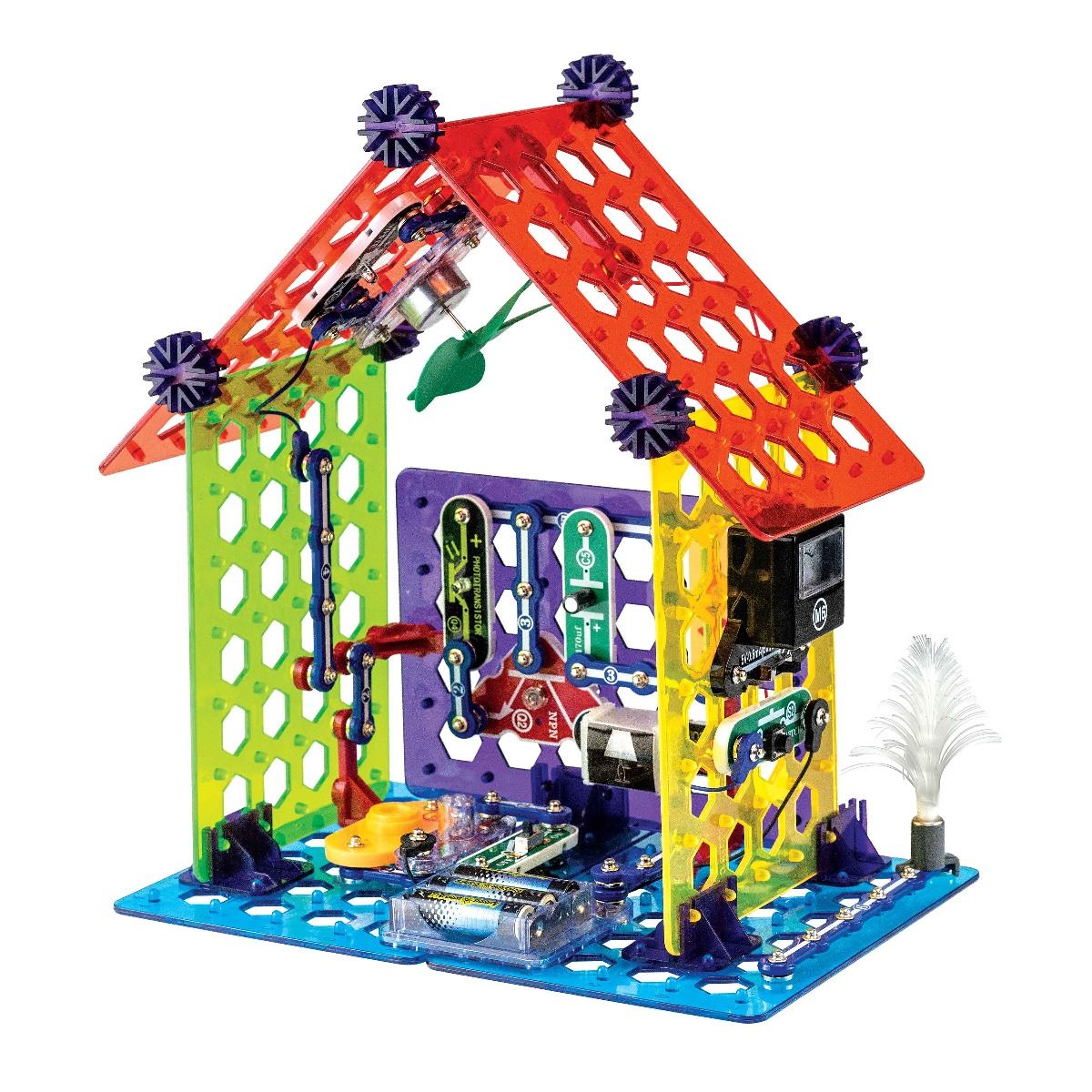
Learn about circuitry, security systems, dimmer switches, automatic lights, alarms, motion detectors, fan speeds, appliance motors, generators, and much more!